From broken wells to thriving gardens, Seed Projects are proving that when churches step up with biblical stewardship, transformation follows—no external aid required.
Samaritan Strategy’s Seed Projects are intentionally small, locally owned initiatives designed to demonstrate God’s principles of dignity, stewardship, and multiplication. Rather than importing solutions or waiting for foreign donors, church members pray, assess needs, mobilize their own people and resources, and act in faith with what God has already entrusted to them (Matthew 25:14–30; Luke 16:10–12). The result is sustainable, God-glorifying change that builds up the entire community and points people to Christ as the ultimate source of hope and provision.
Living Examples of Kingdom Impact
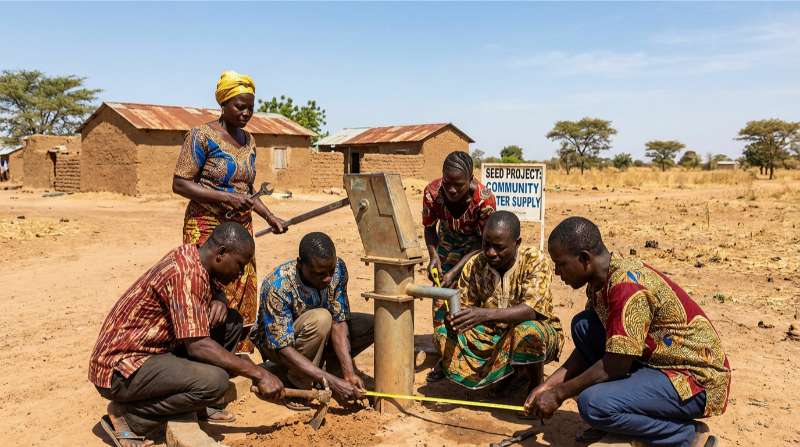
In a remote village in northern Ghana, years of drought and neglect had left the community borehole shattered and useless. Women and girls spent up to six hours daily fetching contaminated water from distant streams, leading to chronic illness and keeping children—especially girls—out of school. After attending a Samaritan Strategy Vision Conference, the local church leadership gathered the congregation for prayer and planning. They inventoried available skills: several members were experienced masons and plumbers, others had access to gravel and cement from nearby sources. In just four weeks of communal labor, the borehole was repaired and fitted with a simple hand pump. The church then formed a volunteer committee to manage usage, collect minimal maintenance fees from users, and train others on care. Within months, clean water flowed reliably; reported cases of waterborne diseases like diarrhea plummeted by over 70%; school attendance for girls rose noticeably; and the church, once seen as irrelevant to daily struggles, became the trusted servant-leader of the village. New families began attending services, drawn by the tangible love shown.
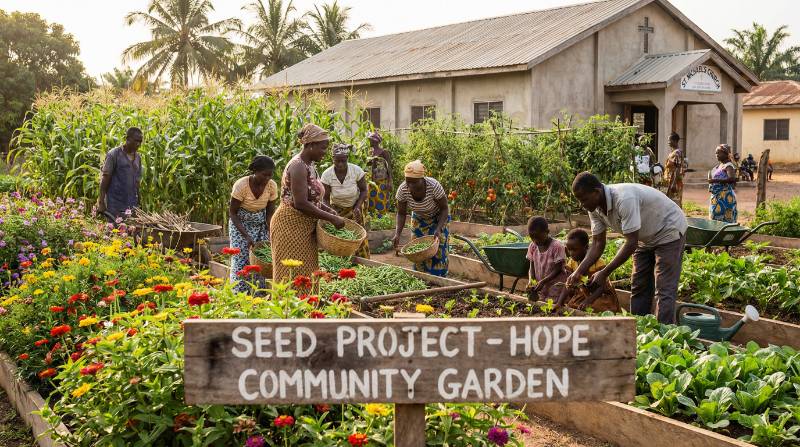
Near Kumasi in the Ashanti Region, a congregation transformed a long-abandoned, trash-choked plot into a productive community garden. Training sessions covered biblical principles of caring for creation (Genesis 2:15), sustainable techniques like composting kitchen waste, crop rotation to preserve soil, and intercropping for better yields. The first harvest provided fresh vegetables for church widows and orphans, with surplus sold at local markets. Profits funded school supplies for needy children and supported evangelism outreaches. In urban settings, youth groups have launched small soap-making enterprises using local oils and lye. They study basic chemistry alongside Proverbs' teachings on diligence and integrity (Proverbs 10:4; 22:29), produce affordable, hygienic bars, and distribute some free to vulnerable households. These businesses not only generate modest income but teach entrepreneurship as a form of worship and witness.
Biblical Foundations Bringing Lasting Change
Every Seed Project is anchored in Scripture from the outset. Participants study God’s original command to work the garden and keep it (Genesis 2:15), the intrinsic dignity of every human as image-bearers (Genesis 1:27), and the New Testament mandate to care for the poor and needy without creating dependency (James 2:15–17; 2 Thessalonians 3:10). Churches come to see that chronic reliance on external aid can unintentionally undermine God’s design for self-governance and responsibility under His lordship. Instead, self-reliance empowered by the Holy Spirit honors His provision and fosters true flourishing.
The compounding effects are profound: newly acquired skills transfer to family farms and homes; household incomes rise through small sales; community health improves with better nutrition and hygiene; relationships strengthen through shared labor and accountability. Across West Africa, hundreds of documented Seed Projects have collectively touched thousands of lives—contributing to reduced child malnutrition rates in project areas, higher primary school enrollment, increased church giving (as people experience God’s faithfulness), and renewed spiritual vitality. One regional coordinator reported: “Before Seed Projects, our churches were mostly talk. Now they are action, and people are asking, ‘What is this hope that makes you work like this?’”
Dr. Chris Ampadu frequently reminds leaders: “We don’t bring transformation from the outside; we release what God has already sovereignly placed inside His people and their communities.” Seed Projects vividly prove this truth. They shift the paradigm from handouts to hand-ups, from temporary charity to lasting dignity, from short-term relief to generational flourishing. In a world quick to label Africa as perpetually needy, the Church emerges as a living, creative, redemptive force—and many outsiders, seeing these changes, begin inquiring about the hope that fuels it all (1 Peter 3:15).
Join the movement today. Your support helps launch more Seed Projects and equips more churches to steward God’s resources for His glory and the good of their neighbors.